One of the most devious and often underestimated dangers in cybersecurity comes from within an organization. These dangers originate from individuals within the organization who have access to sensitive data and systems, making them potentially dangerous adversaries capable of causing significant harm. Understanding, identifying, mitigating, and preventing these internal security risks are paramount for safeguarding an organization’s assets and preserving its integrity.
What is an Insider Threat?
Insider threats are security risks posed by employees, contractors, vendors, or anyone who has access to an organization’s data or systems. Accidental or intentional insiders cause internal threats. An accidental insider could unknowingly cause breaches due to negligence, human error or falling prey to social engineering tactics. For example, an employee clicks on a link in a phishing email, causing a malware infection.
On the other hand, insiders can intentionally engage in data theft, sabotage, or intellectual property theft, driven by motives such as financial gain, revenge or espionage.
A good example took place in May 2022 when a Yahoo employee stole trade secrets after receiving a job offer from The Trade Desk, a competitor. Another example is that of an employee fired from Stradis Healthcare who hacked into the former employer’s network in March 2020 and deleted critical shipping data.
According to the 2023 Insider Threat Report by Cybersecurity Insiders, 74 percent of organizations say insider attacks have become more frequent. The same percentage of organizations also believe they are at least moderately vulnerable to insider threats.
Experts attribute the rise in insider threats to various factors, including the effect of economic instability leading to businesses focusing on revenue growth and leaving gaps in security investments. There also has been an increase in layoffs in the tech industry that can result in disgruntled ex-employees doing damage as they leave the workplace. Overworked employees also might cut corners that create security issues, such as configuration, system access or unused accounts. Insider threats are also made more complex as many organizations migrate their workloads to the cloud, introducing new challenges.
How to Identifying Insider Threats
Insider threats are difficult to detect. However, it helps to look out for compromise indicators such as inappropriate behavior. Here is a more specific list of red flags:
Unusual access and log in, especially from an insider who doesn’t have certain access rights to data or systems.
Abnormal network search activity for sensitive information on networks, intranets, databases, or applications.
Unusual copying or downloading of sensitive information to an unauthorized destination such as email or removable media.
Misuse of tools, either foreign or installed. Detecting unfamiliar tools on a system is a compromise indicator. However, a savvy insider may even use trusted enterprise tools to execute an attack. In such a case, behavior such as access to a system outside regular working hours or access from unusual locations could indicate a compromise.
Unwillingness to comply with security policies. Employees who consistently disregard security protocols and policies might pose a risk to the organization’s security.
Mitigating Insider Threats
Proactive measures that can help mitigate insider threats include:
Employee training and awareness: Conduct regular security awareness and training programs to educate employees about the significance of insider threats and their role in preventing them.
Role-based access control: Implement a robust access control model that ensures individuals have access to only the resources required for their specific job roles, reducing the potential impact of an insider breach.
Behavioral analytics: Employ advanced analytics tools to monitor user behavior and detect inconsistencies that could indicate suspicious actions.
Develop clear exit procedures: these include the revocation of access privileges and retrieval of company-owned devices and sensitive information from employees leaving the organization.
Continuous monitoring and adaptation: Insider threats keep evolving, necessitating ongoing monitoring and constant adaptation of new security measures.
Preventing Insider Threats
Conduct comprehensive background checks and verify references during the hiring process to minimize the risk of malicious insiders entering the organization.
Ensure employees have proficient skills in deploying and managing complex cloud solutions.
Encourage open communication, foster mutual trust, and support employees to reduce the likelihood of disgruntlement.
Extend security considerations to contractors, suppliers, and partners with access to the organization’s data or systems.
Implement endpoint security solutions to monitor and analyze activities on user devices such as workstations or laptops.
Conclusion
While staying alert for cyberattacks from outside is critical, organizations must not forget that the most significant risk can come from inside the business. Even with the most comprehensive cybersecurity defenses against external hackers, failing to create proactive measures for internal security leaves critical assets open to hidden dangers within the organization’s walls.
Insider Threats: Identifying, Mitigating and Preventing Internal Security Risks in Organizations
August 1, 2023 · Blog, What's New in Technology
One of the most devious and often underestimated dangers in cybersecurity comes from within an organization. These dangers originate from individuals within the organization who have access to sensitive data and systems, making them potentially dangerous adversaries capable of causing significant harm. Understanding, identifying, mitigating, and preventing these internal security risks are paramount for safeguarding an organization’s assets and preserving its integrity.
What is an Insider Threat?
Insider threats are security risks posed by employees, contractors, vendors, or anyone who has access to an organization’s data or systems. Accidental or intentional insiders cause internal threats. An accidental insider could unknowingly cause breaches due to negligence, human error or falling prey to social engineering tactics. For example, an employee clicks on a link in a phishing email, causing a malware infection.
On the other hand, insiders can intentionally engage in data theft, sabotage, or intellectual property theft, driven by motives such as financial gain, revenge or espionage.
A good example took place in May 2022 when a Yahoo employee stole trade secrets after receiving a job offer from The Trade Desk, a competitor. Another example is that of an employee fired from Stradis Healthcare who hacked into the former employer’s network in March 2020 and deleted critical shipping data.
According to the 2023 Insider Threat Report by Cybersecurity Insiders, 74 percent of organizations say insider attacks have become more frequent. The same percentage of organizations also believe they are at least moderately vulnerable to insider threats.
Experts attribute the rise in insider threats to various factors, including the effect of economic instability leading to businesses focusing on revenue growth and leaving gaps in security investments. There also has been an increase in layoffs in the tech industry that can result in disgruntled ex-employees doing damage as they leave the workplace. Overworked employees also might cut corners that create security issues, such as configuration, system access or unused accounts. Insider threats are also made more complex as many organizations migrate their workloads to the cloud, introducing new challenges.
How to Identifying Insider Threats
Insider threats are difficult to detect. However, it helps to look out for compromise indicators such as inappropriate behavior. Here is a more specific list of red flags:
Unusual access and log in, especially from an insider who doesn’t have certain access rights to data or systems.
Abnormal network search activity for sensitive information on networks, intranets, databases, or applications.
Unusual copying or downloading of sensitive information to an unauthorized destination such as email or removable media.
Misuse of tools, either foreign or installed. Detecting unfamiliar tools on a system is a compromise indicator. However, a savvy insider may even use trusted enterprise tools to execute an attack. In such a case, behavior such as access to a system outside regular working hours or access from unusual locations could indicate a compromise.
Unwillingness to comply with security policies. Employees who consistently disregard security protocols and policies might pose a risk to the organization’s security.
Mitigating Insider Threats
Proactive measures that can help mitigate insider threats include:
Employee training and awareness: Conduct regular security awareness and training programs to educate employees about the significance of insider threats and their role in preventing them.
Role-based access control: Implement a robust access control model that ensures individuals have access to only the resources required for their specific job roles, reducing the potential impact of an insider breach.
Behavioral analytics: Employ advanced analytics tools to monitor user behavior and detect inconsistencies that could indicate suspicious actions.
Develop clear exit procedures: these include the revocation of access privileges and retrieval of company-owned devices and sensitive information from employees leaving the organization.
Continuous monitoring and adaptation: Insider threats keep evolving, necessitating ongoing monitoring and constant adaptation of new security measures.
Preventing Insider Threats
Conduct comprehensive background checks and verify references during the hiring process to minimize the risk of malicious insiders entering the organization.
Ensure employees have proficient skills in deploying and managing complex cloud solutions.
Encourage open communication, foster mutual trust, and support employees to reduce the likelihood of disgruntlement.
Extend security considerations to contractors, suppliers, and partners with access to the organization’s data or systems.
Implement endpoint security solutions to monitor and analyze activities on user devices such as workstations or laptops.
Conclusion
While staying alert for cyberattacks from outside is critical, organizations must not forget that the most significant risk can come from inside the business. Even with the most comprehensive cybersecurity defenses against external hackers, failing to create proactive measures for internal security leaves critical assets open to hidden dangers within the organization’s walls.
These articles provide general information on tax, accounting, and financial topics for small businesses and individuals. They are educational in nature and are not specific legal, accounting, financial, tax, or other professional advice, and should not be relied upon as such. This content was prepared by Service2Client and may have been reviewed or edited by the website owner for accuracy and compliance. Look for a trust mark below for verification details. No representation is made that any approach described will achieve a particular result, and no regulatory or professional body has reviewed or endorsed this content. Because each situation is different, readers should consult a qualified professional about their specific circumstances before acting. Images accompanying these articles are protected by copyright and may not be copied or reused.
To provide the best experiences, we use technologies like cookies to store and/or access device information. Consenting to these technologies will allow us to process data such as browsing behavior or unique IDs on this site. Not consenting or withdrawing consent, may adversely affect certain features and functions.
Functional
Always active
The technical storage or access is strictly necessary for the legitimate purpose of enabling the use of a specific service explicitly requested by the subscriber or user, or for the sole purpose of carrying out the transmission of a communication over an electronic communications network.
Preferences
The technical storage or access is necessary for the legitimate purpose of storing preferences that are not requested by the subscriber or user.
Statistics
The technical storage or access that is used exclusively for statistical purposes.The technical storage or access that is used exclusively for anonymous statistical purposes. Without a subpoena, voluntary compliance on the part of your Internet Service Provider, or additional records from a third party, information stored or retrieved for this purpose alone cannot usually be used to identify you.
Marketing
The technical storage or access is required to create user profiles to send advertising, or to track the user on a website or across several websites for similar marketing purposes.
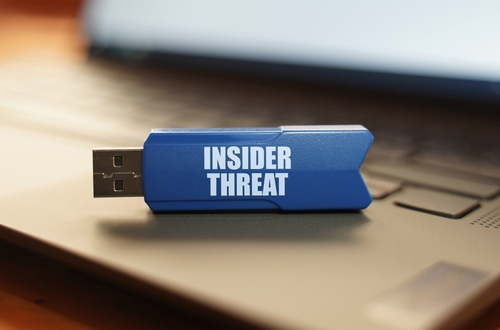 One of the most devious and often underestimated dangers in cybersecurity comes from within an organization. These dangers originate from individuals within the organization who have access to sensitive data and systems, making them potentially dangerous adversaries capable of causing significant harm. Understanding, identifying, mitigating, and preventing these internal security risks are paramount for safeguarding an organization’s assets and preserving its integrity.

