Deepfake technology utilizes machine learning and artificial intelligence (AI) to manipulate or create synthetic audio, video and images that appear authentic. Deepfakes are commonly featured in entertainment and politics to spread false information and propaganda. For instance, deepfake has been used to show a celebrity or leader saying something that they didn’t, and this creates fake news.
Unfortunately, in deepfakes, cybercriminals have found a new tool for cyberattacks. Cybercriminals are now using deepfakes to pose a variety of enterprise risks.
How Cybercriminals Are Using Deepfakes
Deepfake technology is now used to create scams, hoaxes and false claims that undermine and destabilize organizations. For instance, a manipulated video might show a senior executive associated with fake news, such as admitting to a financial crime or spreading misinformation about a company’s products. Such corporate sabotage costs a lot of time and money to disprove and can impact a business’s reputation.
Another way businesses can be negatively impacted is through social engineering attacks such as phishing, which relies on impersonation to compromise an email. Similarly, social engineering using deepfakes can feature voice or video impersonations. A good example of such an impersonation was reported in The Wall Street Journal, in which fraudsters used AI to mimic a CEO’s voice. This incident happened in March 2019, when criminals impersonated a chief executive’s voice to direct a payment of $243,000.
Cybercriminals are able to execute social engineering attacks by accessing readily available information online. They can research a business, employees and executives. The criminal will even use an actual event picked from social media – for instance, a financial director who is just returned to work from a holiday – to sound more legitimate.
This emerging security threat is also made possible by the development of video editing software that can swap faces and alter facial expressions. Such developments have enabled deepfakes to fool biometric checks (like facial recognition) to verify user identities.
The deepfake cybersecurity threat has become such a concern that the Federal Bureau of Investigation (FBI) has issued a Private Industry Notification (PIN) cautioning companies of the possible use of fake content in a newly defined cyberattack vector referred to as Business Identity Compromise (BIC).
How to be Prepared and Protect Against Deepfakes
Deepfake videos and images can be recognized by checking for unnatural body shape, lack of blinking in videos, unnatural facial expressions, abnormal skin color, bad lip-syncing, odd lighting, awkward head and body positioning, etc. However, cybercriminals keep evolving and creating more convincing deepfakes.
Other measures introduced to combat deepfakes include creating solutions that detect deepfakes. There also was an introduction of deepfake legislation in the National Defense Authorization Act (NDAA) in December 2019.
Unfortunately, this has not been enough, and enterprises have the task of helping reduce the impact of these attacks. The following measures can help:
Use anti-fake technologies Businesses should explore automated technologies that help identify deepfake attacks. They should also consider watermarking images and videos.
Enforce robust security protocols Implement security protocols to help avoid deepfakes, such as automatic checks for any procedure involving payments. For instance, putting systems that allow verification through other mediums.
Develop new security standards As security threats keep evolving, so should security standards within a company. For instance, introduce new security standards involving phone and video calls.
Training and awareness Enterprises should enforce regular training and raise awareness among employees, management, and shareholders on the dangers of deepfakes to businesses. When all involved parties are trained to identify deepfake social engineering efforts, this will help reduce the chances of falling victim.
Keep user data private Deepfake attackers use the information found in public domains such as social media. Although not a failsafe procedure, company profiles can be made private. Users also should avoid adding or connecting with strangers they don’t know and posting too much personal information online.
Disinformation response policy Some deepfake incidents are out of control for an enterprise, such as fake videos purporting to be from top management. However, establishing a disinformation response plan will help in cases of a reputation crisis. This should include monitoring and curating all multimedia output – which will help present original content to the public as authentic content.
Conclusion
Deepfake is an emerging cybersecurity concern that requires enterprises to be aware of its potential threats and stay prepared. Although it might be possible to identify a poorly generated deepfake with the naked eye, the technology continues to advance. In response, countermeasures must keep pace.
Carion Doty LLP
Increase In Deepfake Attacks and How Enterprises Can Prepare
October 1, 2022 · Blog, What's New in Technology
Deepfake technology utilizes machine learning and artificial intelligence (AI) to manipulate or create synthetic audio, video and images that appear authentic. Deepfakes are commonly featured in entertainment and politics to spread false information and propaganda. For instance, deepfake has been used to show a celebrity or leader saying something that they didn’t, and this creates fake news.
Unfortunately, in deepfakes, cybercriminals have found a new tool for cyberattacks. Cybercriminals are now using deepfakes to pose a variety of enterprise risks.
How Cybercriminals Are Using Deepfakes
Deepfake technology is now used to create scams, hoaxes and false claims that undermine and destabilize organizations. For instance, a manipulated video might show a senior executive associated with fake news, such as admitting to a financial crime or spreading misinformation about a company’s products. Such corporate sabotage costs a lot of time and money to disprove and can impact a business’s reputation.
Another way businesses can be negatively impacted is through social engineering attacks such as phishing, which relies on impersonation to compromise an email. Similarly, social engineering using deepfakes can feature voice or video impersonations. A good example of such an impersonation was reported in The Wall Street Journal, in which fraudsters used AI to mimic a CEO’s voice. This incident happened in March 2019, when criminals impersonated a chief executive’s voice to direct a payment of $243,000.
Cybercriminals are able to execute social engineering attacks by accessing readily available information online. They can research a business, employees and executives. The criminal will even use an actual event picked from social media – for instance, a financial director who is just returned to work from a holiday – to sound more legitimate.
This emerging security threat is also made possible by the development of video editing software that can swap faces and alter facial expressions. Such developments have enabled deepfakes to fool biometric checks (like facial recognition) to verify user identities.
The deepfake cybersecurity threat has become such a concern that the Federal Bureau of Investigation (FBI) has issued a Private Industry Notification (PIN) cautioning companies of the possible use of fake content in a newly defined cyberattack vector referred to as Business Identity Compromise (BIC).
How to be Prepared and Protect Against Deepfakes
Deepfake videos and images can be recognized by checking for unnatural body shape, lack of blinking in videos, unnatural facial expressions, abnormal skin color, bad lip-syncing, odd lighting, awkward head and body positioning, etc. However, cybercriminals keep evolving and creating more convincing deepfakes.
Other measures introduced to combat deepfakes include creating solutions that detect deepfakes. There also was an introduction of deepfake legislation in the National Defense Authorization Act (NDAA) in December 2019.
Unfortunately, this has not been enough, and enterprises have the task of helping reduce the impact of these attacks. The following measures can help:
Use anti-fake technologies Businesses should explore automated technologies that help identify deepfake attacks. They should also consider watermarking images and videos.
Enforce robust security protocols Implement security protocols to help avoid deepfakes, such as automatic checks for any procedure involving payments. For instance, putting systems that allow verification through other mediums.
Develop new security standards As security threats keep evolving, so should security standards within a company. For instance, introduce new security standards involving phone and video calls.
Training and awareness Enterprises should enforce regular training and raise awareness among employees, management, and shareholders on the dangers of deepfakes to businesses. When all involved parties are trained to identify deepfake social engineering efforts, this will help reduce the chances of falling victim.
Keep user data private Deepfake attackers use the information found in public domains such as social media. Although not a failsafe procedure, company profiles can be made private. Users also should avoid adding or connecting with strangers they don’t know and posting too much personal information online.
Disinformation response policy Some deepfake incidents are out of control for an enterprise, such as fake videos purporting to be from top management. However, establishing a disinformation response plan will help in cases of a reputation crisis. This should include monitoring and curating all multimedia output – which will help present original content to the public as authentic content.
Conclusion
Deepfake is an emerging cybersecurity concern that requires enterprises to be aware of its potential threats and stay prepared. Although it might be possible to identify a poorly generated deepfake with the naked eye, the technology continues to advance. In response, countermeasures must keep pace.
Disclaimer
These articles provide general information on tax, accounting, and financial topics for small businesses and individuals. They are educational in nature and are not specific legal, accounting, financial, tax, or other professional advice, and should not be relied upon as such. This content was prepared by Service2Client and may have been reviewed or edited by the website owner for accuracy and compliance. Look for a trust mark below for verification details. No representation is made that any approach described will achieve a particular result, and no regulatory or professional body has reviewed or endorsed this content. Because each situation is different, readers should consult a qualified professional about their specific circumstances before acting. Images accompanying these articles are protected by copyright and may not be copied or reused.
To provide the best experiences, we use technologies like cookies to store and/or access device information. Consenting to these technologies will allow us to process data such as browsing behavior or unique IDs on this site. Not consenting or withdrawing consent, may adversely affect certain features and functions.
Functional
Always active
The technical storage or access is strictly necessary for the legitimate purpose of enabling the use of a specific service explicitly requested by the subscriber or user, or for the sole purpose of carrying out the transmission of a communication over an electronic communications network.
Preferences
The technical storage or access is necessary for the legitimate purpose of storing preferences that are not requested by the subscriber or user.
Statistics
The technical storage or access that is used exclusively for statistical purposes.The technical storage or access that is used exclusively for anonymous statistical purposes. Without a subpoena, voluntary compliance on the part of your Internet Service Provider, or additional records from a third party, information stored or retrieved for this purpose alone cannot usually be used to identify you.
Marketing
The technical storage or access is required to create user profiles to send advertising, or to track the user on a website or across several websites for similar marketing purposes.
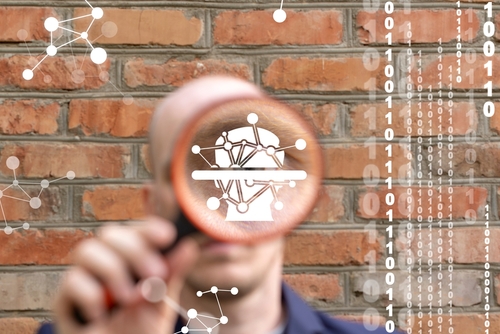 Deepfake technology utilizes machine learning and artificial intelligence (AI) to manipulate or create synthetic audio, video and images that appear authentic. Deepfakes are commonly featured in entertainment and politics to spread false information and propaganda. For instance, deepfake has been used to show a celebrity or leader saying something that they didn’t, and this creates fake news.

