We’re all feeling the pain at the pump. Unless you decide to walk, bike or take public transportation, you might feel stuck. But all is not lost. Here are some fuel-efficient driving techniques that can help you save hundreds of dollars in fuel each year.
Don’t Drive Too Fast
Of course, when you’re on the highway, you must maintain a certain speed. However, cars, vans and pickups are typically the most fuel-efficient when driving between 50 and 80 mph. If you go any faster, you’ll use more gas. Consider this: When you’re driving roughly 75 miles per hour, you use 20 percent more fuel than you would if you were going around 60 mph. On a 15-mile trip, if you’re driving faster, you’ll only save two minutes. Only you know if shaving two minutes and gulping extra gas from your tank is worth it.
Maintain a Steady Speed
When you drive in bursts, slowing down and then accelerating, your fuel consumption increases. Specifically, tests have shown that varying your speed up and down between 75 and 85 mph every 18 seconds can bump up fuel usage by 20 percent. If your car has cruise control, use that. Word from the wise: Slow and steady wins the race.
Accelerate Gently
The heavier your foot is when putting the pedal to the metal, the more gas you use. Here’s how to accelerate and save gas: From a stop, take five seconds to get to 12 mph. You’ll speed on up after that, but the point is to pay attention to when you’re just starting and ease into your journey.
Coast to Decelerate
If you tend to have a heavy brake foot, you’re thwarting your forward momentum. Granted, you want to control your car if you’re in rain or snow. But here’s the trick: Look ahead to see what traffic is like and, if you have some room when you’re headed down that hill, take your foot off the gas and the brake, and enjoy the ride – you’ll conserve fuel and save money.
Try Not to Idle
Except when you’re in traffic, if you’re stopped longer than a minute, turn off your engine. The average vehicle with a three-liter engine drinks in over a cup of fuel for every 10 minutes it idles. Ouch!
Measure Tire Pressure
Do this every month. If your tires are under-inflated by 56 kilopascals (aka 8 pounds per square inch), fuel consumption rises by up to 4 percent. If you don’t know the right tire pressure for your car, look on the edge of the driver’s side door. If your tires are low, it also can reduce the life of them. Make it a habit to check your tires.
Use Credit Cards with Gas Rewards
These cards are usually issued in partnership with a bank and offer a discount on gas, like saving five or six cents off a gallon. Yes, mere pennies; but when you add it up, it makes a difference. A few of the top cards to check out are Citi Custom CashSM Card, Blue Cash Preferred® Card from American Express, and Discover it® Cash Back. Here are a few more. Another smart way to save is to get an app like GasBuddy that shows you the cheapest gas near you.
No one knows when gas prices will go down. In the meantime, the only thing you can do is try to work around the situation as best you can. The good news is that nothing lasts forever.
We’re all feeling the pain at the pump. Unless you decide to walk, bike or take public transportation, you might feel stuck. But all is not lost. Here are some fuel-efficient driving techniques that can help you save hundreds of dollars in fuel each year.
Don’t Drive Too Fast
Of course, when you’re on the highway, you must maintain a certain speed. However, cars, vans and pickups are typically the most fuel-efficient when driving between 50 and 80 mph. If you go any faster, you’ll use more gas. Consider this: When you’re driving roughly 75 miles per hour, you use 20 percent more fuel than you would if you were going around 60 mph. On a 15-mile trip, if you’re driving faster, you’ll only save two minutes. Only you know if shaving two minutes and gulping extra gas from your tank is worth it.
Maintain a Steady Speed
When you drive in bursts, slowing down and then accelerating, your fuel consumption increases. Specifically, tests have shown that varying your speed up and down between 75 and 85 mph every 18 seconds can bump up fuel usage by 20 percent. If your car has cruise control, use that. Word from the wise: Slow and steady wins the race.
Accelerate Gently
The heavier your foot is when putting the pedal to the metal, the more gas you use. Here’s how to accelerate and save gas: From a stop, take five seconds to get to 12 mph. You’ll speed on up after that, but the point is to pay attention to when you’re just starting and ease into your journey.
Coast to Decelerate
If you tend to have a heavy brake foot, you’re thwarting your forward momentum. Granted, you want to control your car if you’re in rain or snow. But here’s the trick: Look ahead to see what traffic is like and, if you have some room when you’re headed down that hill, take your foot off the gas and the brake, and enjoy the ride – you’ll conserve fuel and save money.
Try Not to Idle
Except when you’re in traffic, if you’re stopped longer than a minute, turn off your engine. The average vehicle with a three-liter engine drinks in over a cup of fuel for every 10 minutes it idles. Ouch!
Measure Tire Pressure
Do this every month. If your tires are under-inflated by 56 kilopascals (aka 8 pounds per square inch), fuel consumption rises by up to 4 percent. If you don’t know the right tire pressure for your car, look on the edge of the driver’s side door. If your tires are low, it also can reduce the life of them. Make it a habit to check your tires.
Use Credit Cards with Gas Rewards
These cards are usually issued in partnership with a bank and offer a discount on gas, like saving five or six cents off a gallon. Yes, mere pennies; but when you add it up, it makes a difference. A few of the top cards to check out are Citi Custom CashSM Card, Blue Cash Preferred® Card from American Express, and Discover it® Cash Back. Here are a few more. Another smart way to save is to get an app like GasBuddy that shows you the cheapest gas near you.
No one knows when gas prices will go down. In the meantime, the only thing you can do is try to work around the situation as best you can. The good news is that nothing lasts forever.
These articles provide general information on tax, accounting, and financial topics for small businesses and individuals. They are educational in nature and are not specific legal, accounting, financial, tax, or other professional advice, and should not be relied upon as such. This content was prepared by Service2Client and may have been reviewed or edited by the website owner for accuracy and compliance. Look for a trust mark below for verification details. No representation is made that any approach described will achieve a particular result, and no regulatory or professional body has reviewed or endorsed this content. Because each situation is different, readers should consult a qualified professional about their specific circumstances before acting. Images accompanying these articles are protected by copyright and may not be copied or reused.
To provide the best experiences, we use technologies like cookies to store and/or access device information. Consenting to these technologies will allow us to process data such as browsing behavior or unique IDs on this site. Not consenting or withdrawing consent, may adversely affect certain features and functions.
Functional
Always active
The technical storage or access is strictly necessary for the legitimate purpose of enabling the use of a specific service explicitly requested by the subscriber or user, or for the sole purpose of carrying out the transmission of a communication over an electronic communications network.
Preferences
The technical storage or access is necessary for the legitimate purpose of storing preferences that are not requested by the subscriber or user.
Statistics
The technical storage or access that is used exclusively for statistical purposes.The technical storage or access that is used exclusively for anonymous statistical purposes. Without a subpoena, voluntary compliance on the part of your Internet Service Provider, or additional records from a third party, information stored or retrieved for this purpose alone cannot usually be used to identify you.
Marketing
The technical storage or access is required to create user profiles to send advertising, or to track the user on a website or across several websites for similar marketing purposes.
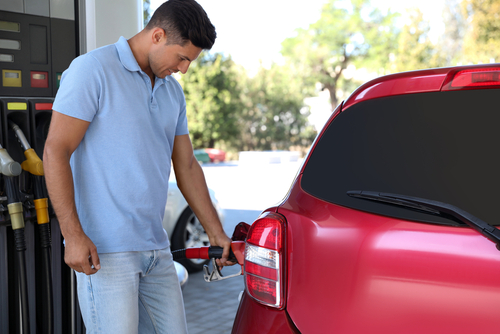 We’re all feeling the pain at the pump. Unless you decide to walk, bike or take public transportation, you might feel stuck. But all is not lost. Here are some fuel-efficient driving techniques that can help you save hundreds of dollars in fuel each year.

