As part of a comprehensive strategy to cope with COVID-19 and reduce the risk of spreading it, developing a sanitation plan is a necessary tool that businesses can implement during the reopening process.
The Centers for Disease Control and Prevention recommends a thorough approach for cleaning and disinfecting. The first thing to do to reduce the amount of COVID-19 virus on exterior surfaces and items handled by individuals is to wash them with soap and water.
When it comes to items handled by many individuals, using appropriate disinfectants approved by the Environmental Protect Agency that contains active ingredients such as ethanol, hydrogen peroxide, sodium hypochlorite, and sodium chlorite is another way to lower the chances of people being exposed to the virus.
The CDC lists a few examples of items that exist in offices and/or retail outlets that need to be disinfected – not just cleaned. Examples include touch screens, phones, handles, light switches, tables, doorknobs, toilets, shopping carts, and anything that’s likely to be touched by multiple people throughout the day. Keeping doors open can reduce the need for employees or customers to constantly touch the door.
When it comes to soft or spongy items, such as rugs or seating, the CDC recommends to first remove any unnecessary items. For things that must remain such as carpeting, they should be washed according to the manufacturer’s recommendations, using hot water and letting them dry fully.
Another way to increase workplace and retail hygiene is to improve air quality. Other recommendations include running air filtration and exchanges 24/7. It also includes maintaining fresh filters and ensuring they’re installed properly and increasing the level of air filtration to maintain clean and healthy airflow.
Encouraging employees to wash their hands for a minimum of 20 seconds or using a hand sanitizer with a minimum of 60 percent alcohol is also recommended. Reminding employees verbally or through written means (including signage posted throughout the building) to wash their hands throughout the day, including before and after work, when they use the restroom, and after touching their workspace or work materials is also recommended.
While every office and retail space is different, taking steps to reduce the chance of COVID-19 infection is a great way to stay safe and create goodwill with employees and customers.
How to Develop a Sanitation Plan for Employee and Customer Safety
August 1, 2020 · Blog, Guest Post of the Month
As part of a comprehensive strategy to cope with COVID-19 and reduce the risk of spreading it, developing a sanitation plan is a necessary tool that businesses can implement during the reopening process.
The Centers for Disease Control and Prevention recommends a thorough approach for cleaning and disinfecting. The first thing to do to reduce the amount of COVID-19 virus on exterior surfaces and items handled by individuals is to wash them with soap and water.
When it comes to items handled by many individuals, using appropriate disinfectants approved by the Environmental Protect Agency that contains active ingredients such as ethanol, hydrogen peroxide, sodium hypochlorite, and sodium chlorite is another way to lower the chances of people being exposed to the virus.
The CDC lists a few examples of items that exist in offices and/or retail outlets that need to be disinfected – not just cleaned. Examples include touch screens, phones, handles, light switches, tables, doorknobs, toilets, shopping carts, and anything that’s likely to be touched by multiple people throughout the day. Keeping doors open can reduce the need for employees or customers to constantly touch the door.
When it comes to soft or spongy items, such as rugs or seating, the CDC recommends to first remove any unnecessary items. For things that must remain such as carpeting, they should be washed according to the manufacturer’s recommendations, using hot water and letting them dry fully.
Another way to increase workplace and retail hygiene is to improve air quality. Other recommendations include running air filtration and exchanges 24/7. It also includes maintaining fresh filters and ensuring they’re installed properly and increasing the level of air filtration to maintain clean and healthy airflow.
Encouraging employees to wash their hands for a minimum of 20 seconds or using a hand sanitizer with a minimum of 60 percent alcohol is also recommended. Reminding employees verbally or through written means (including signage posted throughout the building) to wash their hands throughout the day, including before and after work, when they use the restroom, and after touching their workspace or work materials is also recommended.
While every office and retail space is different, taking steps to reduce the chance of COVID-19 infection is a great way to stay safe and create goodwill with employees and customers.
These articles provide general information on tax, accounting, and financial topics for small businesses and individuals. They are educational in nature and are not specific legal, accounting, financial, tax, or other professional advice, and should not be relied upon as such. This content was prepared by Service2Client and may have been reviewed or edited by the website owner for accuracy and compliance. Look for a trust mark below for verification details. No representation is made that any approach described will achieve a particular result, and no regulatory or professional body has reviewed or endorsed this content. Because each situation is different, readers should consult a qualified professional about their specific circumstances before acting. Images accompanying these articles are protected by copyright and may not be copied or reused.
To provide the best experiences, we use technologies like cookies to store and/or access device information. Consenting to these technologies will allow us to process data such as browsing behavior or unique IDs on this site. Not consenting or withdrawing consent, may adversely affect certain features and functions.
Functional
Always active
The technical storage or access is strictly necessary for the legitimate purpose of enabling the use of a specific service explicitly requested by the subscriber or user, or for the sole purpose of carrying out the transmission of a communication over an electronic communications network.
Preferences
The technical storage or access is necessary for the legitimate purpose of storing preferences that are not requested by the subscriber or user.
Statistics
The technical storage or access that is used exclusively for statistical purposes.The technical storage or access that is used exclusively for anonymous statistical purposes. Without a subpoena, voluntary compliance on the part of your Internet Service Provider, or additional records from a third party, information stored or retrieved for this purpose alone cannot usually be used to identify you.
Marketing
The technical storage or access is required to create user profiles to send advertising, or to track the user on a website or across several websites for similar marketing purposes.
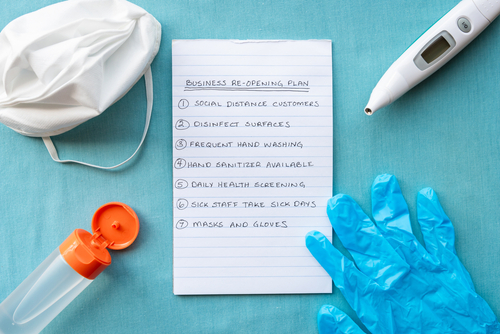 As part of a comprehensive strategy to cope with COVID-19 and reduce the risk of spreading it, developing a sanitation plan is a necessary tool that businesses can implement during the reopening process.

